




Patiala, August 10
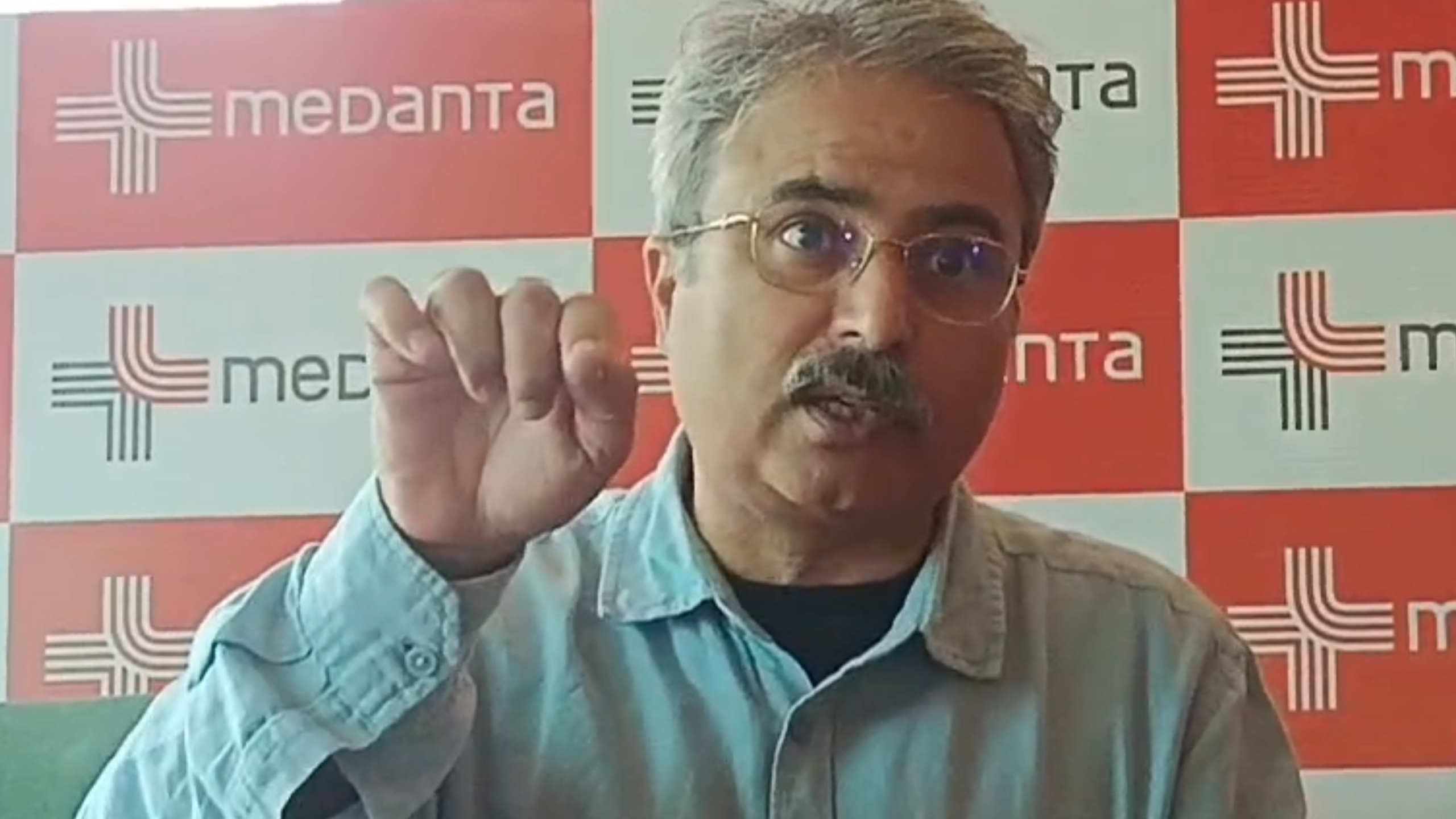
Non-invasive techniques are the most effective for treating severe heart valve diseases, and there is a pressing need to raise awareness about them, said Dr. Rajneesh Kapoor, Punjab Ratna awardee and Chairman of Interventional Cardiology at Medanta Hospital, during a press conference in Patiala on Sunday. He explained that elderly patients with affected heart valves often lead compromised lives, but valve repair can now be performed without surgery, enabling patients to live healthier lives.
Dr. Kapoor highlighted the MitraClip, a non-invasive device used to treat mitral valve regurgitation—a condition where the heart’s mitral valve does not close tightly, causing blood to flow backward. He shared the case of Pushpendra Garg (67), who recently underwent a MitraClip procedure. Garg previously struggled with daily activities due to shortness of breath and fatigue and was unable to undergo another surgery, having already had an aortic valve replacement. Post-MitraClip, Garg is now fully healthy and leading a normal life.
Describing the procedure, Dr. Kapoor said, “In the MitraClip procedure, a catheter is guided through a vein to the mitral valve to place a clip, reducing regurgitation without opening the chest. This advanced technology showcases the precision of the latest generation of MitraClip.”
Elaborating on its benefits, Dr. Kapoor noted that the MitraClip eliminates the need for open-heart surgery, offers a shorter recovery time, and effectively alleviates symptoms like fatigue and breathlessness.
watch…..CM Mann Announces 200 New Aam Aadmi Clinics to Enhance Healthcare Access Across the State
Speaking on aortic stenosis, the most common heart valve disease affecting one million patients globally each year, Dr. Kapoor explained that traditional treatment involved open-heart surgery for aortic valve replacement. However, due to age-related surgical risks, many patients remain untreated, facing high risks of heart failure and death. He highlighted Transcatheter Aortic Valve Replacement (TAVR or TAVI), a procedure that replaces the aortic valve via a catheter without requiring a full chest incision. Many patients can resume normal activities within 3-4 days, he added.