




Chandigar, September 21
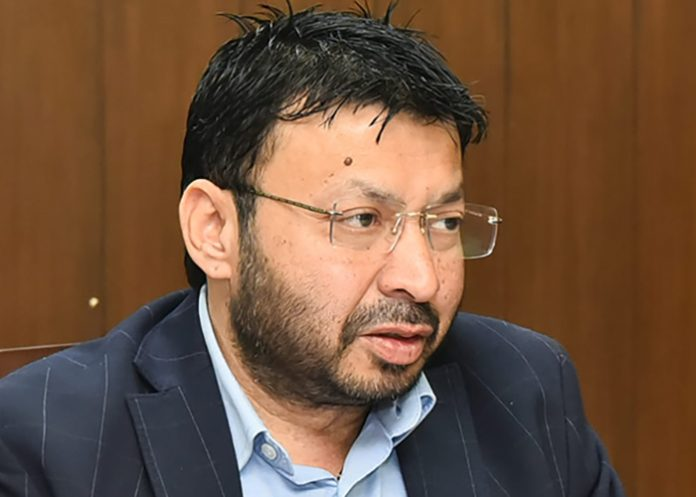
Punjab’s Local Bodies Minister Dr. Ravjot Singh announced today that the department has launched a comprehensive flood relief and restoration campaign in affected towns and villages. Beyond routine measures like debris removal, corpse disposal, sewage cleaning, and public property repairs, the department is taking targeted actions to accelerate recovery and ensure efficiency.
Dr. Ravjot Singh stated that each officer has been assigned a specific area under the “Field Responsibility Scheme,” where they must prepare a detailed assessment of damage to homes, shops, roads, sewage, and other infrastructure. Immediate repair and restoration works are already underway, with tenders issued on a war footing to expedite implementation.
Regarding public health and safety, the Cabinet Minister revealed that teams are systematically rounding up stray animals. With the Health Department’s assistance, stray dogs are being vaccinated against anti-rabies, while mass vaccination drives for livestock and other animals have been initiated in affected areas. Special shelters have been set up to house stray animals and livestock until normalcy returns. These measures are crucial for controlling stray animals, preventing infections, and ensuring public care.
Highlighting sewage restoration efforts, Dr. Ravjot Singh informed that to clean blocked sewage and prevent health impacts, 4,407 sewer men are working round-the-clock across urban local bodies in flood-affected areas. A mapping of blocked and damaged sewage sections has been conducted, and large-scale cleaning is underway using modern machinery and manual labor. Priority is being given to hospitals, schools, markets, and densely populated areas.
watch……Relief Camps’ Occupancy Drops to 229 as Flood Victims Return Home
The Minister added that the relief campaign extends beyond sewage. Eligible beneficiaries are receiving support under the Pradhan Mantri Awas Yojana-Urban 2.0 for repairing damaged homes and shops. From September 17 to October 2, a special drive is providing financial aid to vendors, offering credit up to Rs 80,000 through a Rs 10,000 loan under guarantee coverage.
Additionally, 543 fogging machines are being used for collective actions to prevent vector-borne diseases. Daily monitoring reports are being prepared under the supervision of municipal engineers to ensure effective results. The entire effort is being closely monitored at district and state levels, with Commissioners, Deputy Commissioners, and Executive Officers directly overseeing progress. A centralized monitoring cell is tracking daily reports from ULBs to ensure transparency. Ward-level committees and community volunteers are also contributing significantly to ground-level implementation.