




Chandigarh, September 30
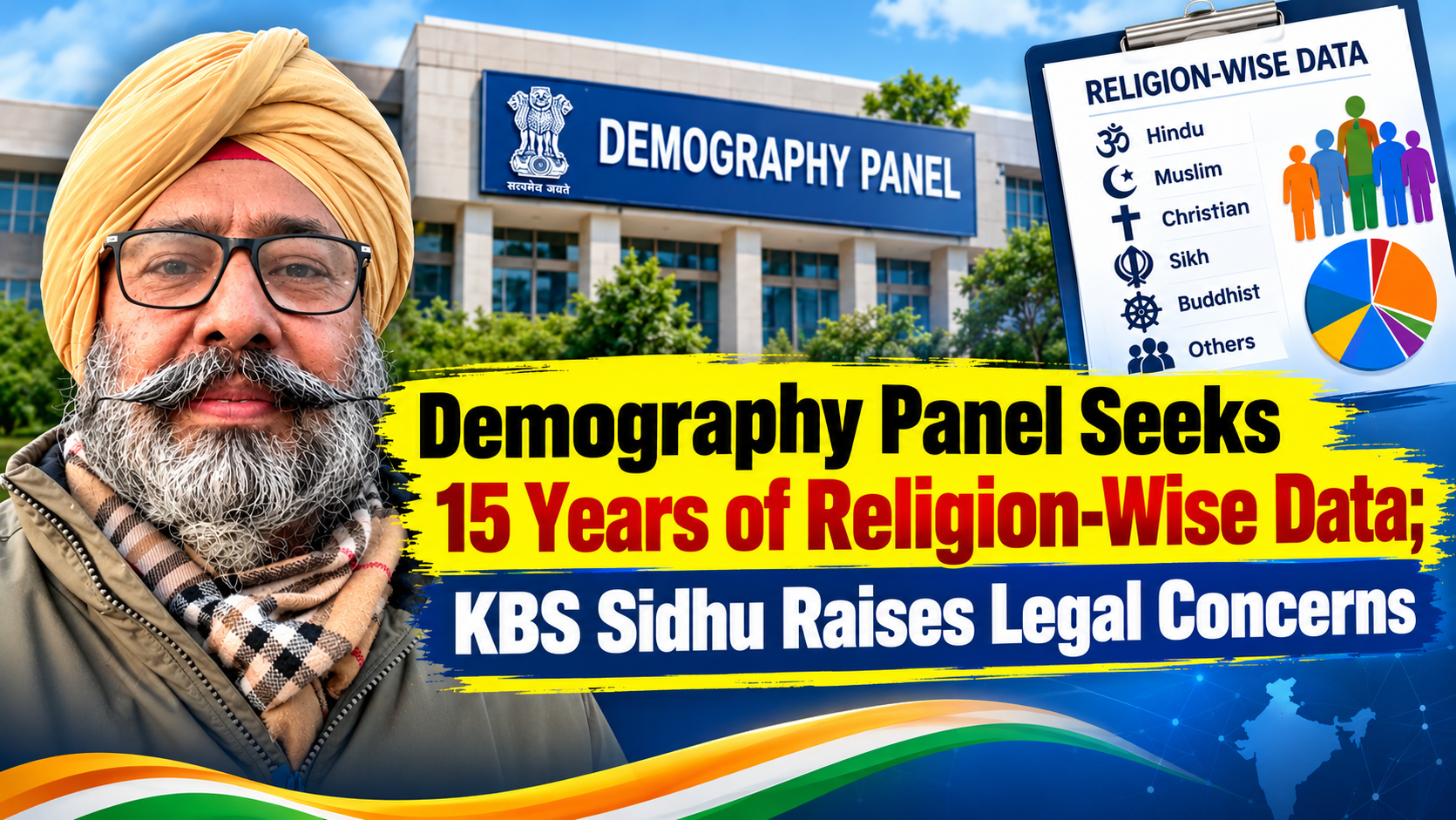
The Union Home Ministry’s High-Level Committee on Demographic Changes has sought 15 years of religion-wise data from states on births, property transactions, vehicle registrations and school enrolments. Former Special Chief Secretary of Punjab and former Financial Commissioner (Revenue) Karan Bir Singh Sidhu has questioned the legal basis of the demand, arguing that such data cannot be compiled without inferring citizens’ religion from their names. He has urged Union Home Minister Amit Shah to review the committee’s functioning.
Sidhu’s remarks came after a report in The Hindu said that the committee, headed by retired Supreme Court judge Justice Prakash Prabhakar Naolekar, had sent states a 35-point questionnaire. The reported questionnaire also seeks district-wise details of religious structures, unusual increases in Aadhaar, voter ID and ration-card registrations, as well as reports relating to religious conversions among Scheduled Tribes. Reports indicate that several states are facing difficulties in responding because their departments generally do not maintain such records on a religion-wise basis.
Sidhu said that government officials responsible for property registration and vehicle registration do not ordinarily record a buyer’s or vehicle owner’s religion. He argued that attempting to generate such data retrospectively by inferring religion from citizens’ names would amount to profiling.
watch…..‘ਪ੍ਰਹਾਰ’ ਤਹਿਤ ਪੰਜਾਬ ਦੀ ਸਰਹੱਦੀ ਸੁਰੱਖਿਆ ਮਜ਼ਬੂਤ ਕਰਨ ਲਈ 7 ਸੁਝਾਅ
He said he had raised similar concerns on May 27, a day after the committee was constituted. According to the Ministry of Home Affairs, the committee was established on May 26, 2026, under the chairmanship of Justice Prakash Prabhakar Naolekar, with the Census Commissioner, retired IAS officer Durga Shankar Mishra, retired IPS officer Balaji Srivastava and economist Dr Shamika Ravi among its members. Its mandate includes studying demographic changes arising from illegal immigration and other specified factors and recommending policy, legislative and administrative measures.
Sidhu Raises Five Objections
First, the purpose of collecting religion-wise data: Sidhu questioned the relevance of religion to a committee examining demographic changes and illegal immigration. He argued that illegal immigration is fundamentally a question of nationality and legal status, rather than religion.
Second, the right to privacy: Referring to the Supreme Court’s 2017 K.S. Puttaswamy v. Union of India judgment, Sidhu argued that state intervention involving personal information must have a legal basis, a legitimate purpose and proportionate means. He questioned whether the committee has the authority to require states to create records that their departments do not ordinarily maintain.
Third, profiling concerns: Sidhu referred to a September 2025 Allahabad High Court development concerning the recording of caste in police records. He argued that similar concerns could arise if religion were inferred and entered into property or vehicle records.
Fourth, determining an individual’s religion: Sidhu pointed out that religious communities contain different denominations and traditions. He argued that an individual’s religious identity should be provided by the citizen rather than inferred by an official from a name.
Fifth, the Census already collects religion data: Sidhu said Census 2027 records religion through self-declaration under the applicable legal framework and provides confidentiality protections for individual responses. He questioned the need for a parallel exercise without comparable statutory safeguards.
The committee was constituted by the Union government in May 2026 and was asked to undertake a comprehensive assessment of demographic changes and their causes. In July, the Ministry of Home Affairs said the committee had finalised a detailed questionnaire for states and Union Territories and that Home Minister Amit Shah had asked it to submit its recommendations at the earliest.
Sidhu has urged the Home Minister to withdraw the religion-wise questions, make the questionnaire and methodology public, and include a professional demographer on the committee. He has also called on state governments to formally state when the requested data is not maintained by their departments rather than producing estimates.
“If a committee has asked the wrong question, the States need not compound the error by guessing the answer,” Sidhu said.